
The Unconventional Postmenopausal Diet That Helped Me Lose 20 Pounds
Story told to me by Lillian
When my body seemed to have a mind of its own, I discovered a different approach that finally worked.

My Menopausal Wake-Up Call
It started with my favorite black pants.
The ones that had fit perfectly for years suddenly betrayed me one morning as I was getting ready for an important presentation. The button popped off with such force it actually hit my shoe. I managed an emergency safety pin fix, but the message was clear: my body was changing, and my old approaches to managing my weight weren’t working anymore.
Like many women entering their postmenopausal years, I found myself facing the dreaded “meno-belly” – that stubborn weight gain around the midsection that seemed to appear overnight and refused to budge no matter what I tried. Frustratingly, the diet and exercise routines that had worked in my 30s and 40s were now completely ineffective.
What I didn’t realize then was that I wasn’t alone. Research shows that menopausal weight gain impacts 60-70% of women, with hormonal changes causing a redistribution of fat to the abdominal area. This wasn’t just about vanity – this type of fat accumulation can increase the risk of cardiovascular disease, diabetes, and other serious health conditions.
Why Traditional Diets Fail Postmenopausal Women
After months of frustration, I began researching why my body was suddenly storing fat differently. What I discovered changed everything.
During menopause, several critical changes occur that require a completely different approach to diet and weight management:
- Hormonal shifts: The dramatic drop in estrogen levels doesn’t just cause hot flushes – it fundamentally changes how our bodies store and distribute fat
- Metabolic slowdown: Our resting metabolic rate naturally declines, meaning we burn fewer calories at rest
- Muscle loss: Women can lose up to 1-2% of muscle mass per year after 50, further reducing metabolism
- Insulin resistance: Many postmenopausal women develop increasing insulin resistance, making it easier to gain weight
- Sleep disruption: Poor sleep due to hot flushes and night sweats increases hunger hormones and stress hormones that promote fat storage
The standard advice to “eat less, move more” simply doesn’t address these complex physiological changes. I needed a more sophisticated approach based on the unique needs of my postmenopausal body.
The Mediterranean-Protein Connection

After extensive research and consultation with healthcare providers, I developed an approach combining two evidence-based strategies particularly effective for postmenopausal women: the Mediterranean diet pattern and strategic protein timing.
Why the Mediterranean Diet Works for Menopausal Women
Multiple studies have shown that the Mediterranean diet can be particularly beneficial for postmenopausal women. A 2024 research review found that this eating pattern helps with weight loss while also reducing blood pressure and cholesterol levels in menopausal women.
What makes this approach so effective? The Mediterranean diet:
- Is naturally anti-inflammatory, helping to counteract the increased inflammation common during menopause
- Emphasizes healthy fats that support hormonal balance
- Contains abundant plant foods rich in phytoestrogens that can help ease menopausal symptoms
- Provides plenty of fiber to support healthy blood sugar levels and control hunger
- Is sustainable and enjoyable as a lifestyle, not just a temporary diet

The Protein Breakthrough
The second key component of my approach was optimizing protein intake – both the amount and timing. This was the game-changer that most conventional diets miss.
Research shows that postmenopausal women need significantly more protein to maintain muscle mass and support metabolism. Studies indicate that consuming between 1.2-1.5g of protein per kg of body weight (versus the standard 0.8g/kg) can help preserve muscle mass during weight loss.
Even more importantly, I discovered the concept of “protein timing” – distributing protein strategically throughout the day rather than loading up at dinner. This approach better supports muscle preservation and metabolism.
My 4-Week Plan That Changed Everything
After months of trial and error, I developed a personalized approach that finally worked. Here’s the framework I followed to lose 20 pounds over six months – and keep it off for the past two years:
Week 1: Reset Your Foundation
The first week focuses on establishing baseline habits that support hormonal balance:
- Prioritize quality sleep: I created a consistent sleep routine, keeping my bedroom cool and dark, and avoiding electronics an hour before bed. Research shows poor sleep increases cortisol levels, which promotes fat storage particularly in the abdominal area.
- Balance blood sugar: I eliminated processed foods and refined carbohydrates that cause blood sugar spikes and crashes. Each meal included protein, healthy fat, and fiber-rich vegetables.
- Hydrate strategically: I started each day with half a litre of water and herbal tea, helping to boost metabolism and reduce false hunger signals.
- Mediterranean meal structure: I adopted the traditional Mediterranean eating pattern of meals earlier in the day and lighter dinners.
Week 2: The Protein Revolution
The second week focuses on optimizing protein intake:
- Front-load protein: I began consuming 25-30g of protein at breakfast within an hour of waking, which research shows helps maintain muscle mass and reduce cravings throughout the day.
- Distribute protein evenly: Instead of having most protein at dinner, I spread my protein intake evenly across three meals.
- Diversify protein sources: I incorporated a mix of plant and animal proteins, focusing onfish, legumes, yogurt, and small amounts of poultry.
- Pre-sleep protein: A small protein snack about an hour before bed helped support overnight muscle repair – crucial for maintaining metabolism.
Week 3: Mediterranean Magic
The third week deepens the Mediterranean diet principles:
- Embrace healthy fats: I increased my intake of olive oil, avocados, nuts, and seeds while eliminating industrial seed oils.
- Prioritize plants: At least 75% of my plate was filled with colorful vegetables and small portions of fruit.
- Reduce alcohol: I limited wine to 1 small glass with dinner, no more than 3 times per week.
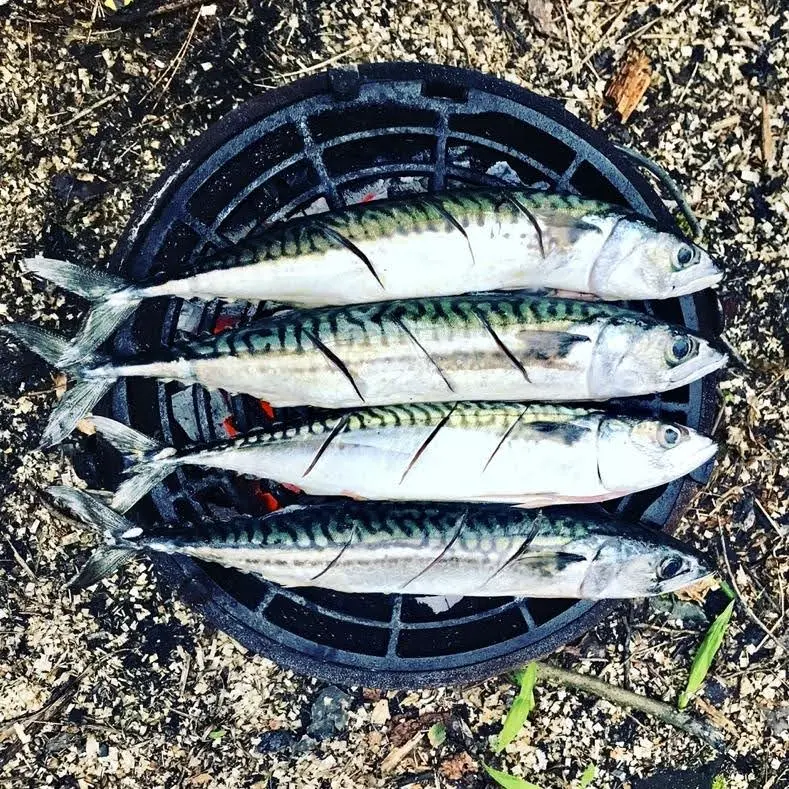
- Incorporate omega-3s: Fatty fish like salmon and sardines became regular features in my meal plan.
Week 4: Mind-Body Integration
The final week addresses the crucial stress-weight connection:
- Daily stress reduction: I incorporated 10-15 minutes of relaxat or deep breathing exercises, which research shows can lower cortisol levels that contribute to abdominal fat storage.
- Mindful eating: I eliminated distractions during meals and practiced eating slowly, which improves digestion and helps recognize fullness signals.
- Strategic movement: Rather than exhausting cardio sessions, I focused on strength training 2-3 times weekly to preserve muscle mass, plus daily walking and 1-1 pilates
- Social connections: I made time for meaningful social interactions, which research shows reduces stress hormones that promote weight gain.
My Typical Day
If you’re wondering what this actually looks like in practice, here’s what a typical day on my plan includes:
Morning:
- 500ml water with lemon upon waking
- Breakfast (within an hour of waking): Greek yogurt with ground flaxseeds, berries, and walnuts (approximately 25g protein)
- Morning activity: 20-minute walk outside
Mid-Morning:
- Herbal tea
- Small handful of almonds if hungry
Lunch:
- Large salad with mixed greens, chickpeas, olive oil, lemon juice, vegetables, and a small portion of grilled chicken or fish (approximately 25g protein)
- Small piece of fresh fruit
Afternoon:
- Green tea
- Small protein snack if needed (like a hard-boiled egg or small piece of cheese)
- Strength training or pilates (3 times weekly)
Dinner:
- Mediterranean-style fish or plant protein
- Abundance of roasted or steamed vegetables with olive oil and herbs
- Small portion of whole grains or starchy vegetables like sweet potato
- Occasional glass of red wine (1-3 times weekly)
Before Bed:

- Caffeine-free herbal tea
- Small protein snack if needed (like a spoonful of Greek yogurt)
- 10 minutes of meditation or deep breathing
Beyond the Scale: Unexpected Benefits
While weight loss was my initial goal, I experienced numerous other benefits from this approach:
- Reduced hot flushes: Within three weeks, the frequency and intensity of my hot flushes decreased significantly
- Better sleep: I began sleeping through the night without disruptions
- Stable energy: No more afternoon crashes or morning brain fog
- Improved mood: The anxiety and irritability I had attributed to “just getting older” diminished
- Better digestion: Bloating and digestive discomfort I had experienced for years resolved
- Clearer skin: The dry, thinning skin common in menopause improved in texture and appearance
- Stronger nails and hair: After months of thinning, my hair and nails became stronger and healthier
The Science Behind Why This Works
This approach addresses the unique physiological changes of menopause in several key ways:
Hormonal Support
The Mediterranean diet is rich in foods that naturally support hormonal balance. The abundance of vegetables provides fiber that helps the body eliminate excess estrogen, while the healthy fats support hormone production.
Metabolic Optimization
Strategic protein timing and adequate protein intake help preserve metabolically active muscle tissue, counteracting the natural decline that occurs in menopause. Research indicates that postmenopausal women who maintain higher protein intake have better physical performance and body composition.
Inflammation Reduction
The Mediterranean diet’s anti-inflammatory properties help counteract the increased inflammation common during menopause. Studies show reduced markers of inflammation in postmenopausal women following this eating pattern, which may help prevent weight gain and reduce disease risk.
Blood Sugar Management
The combination of protein, healthy fats, and fiber at each meal helps regulate blood sugar, reducing insulin spikes that contribute to fat storage. This is particularly important for postmenopausal women, who are at increased risk for insulin resistance.
Sleep and Stress Regulation
The Mediterranean diet contains foods rich in magnesium, tryptophan, and other nutrients that support sleep quality and stress reduction. Better sleep leads to better regulation of hunger hormones and reduced cortisol, which otherwise promotes abdominal fat storage.
Common Challenges and How to Overcome Them
While this approach worked wonderfully for me, it wasn’t without challenges. Here are some common obstacles and how to address them:
Challenge #1: The Protein Learning Curve
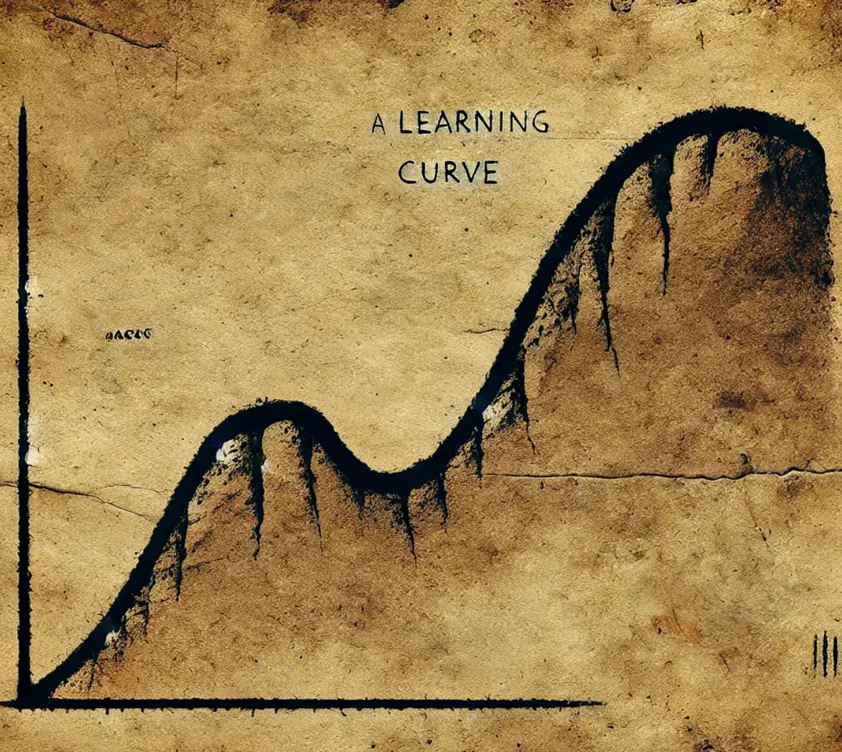
Many women find it difficult to consume enough protein, especially at breakfast. Start by tracking your protein intake for a few days – most women are surprised to discover they’re consuming much less than they thought. Gradually increase your protein intake, adding about 5g per meal each week until you reach the target.
Challenge #2: Dining Out Dilemmas
Restaurant meals can be tricky to navigate. When dining out, I’ve found success by ordering fish or other lean protein dishes, asking for double vegetables instead of starchy sides, requesting dressings and sauces on the side, and being mindful of portion sizes.
Challenge #3: Social Pressure
Friends and family might not understand your new approach. I’ve found it helpful to focus conversations on how much better I feel rather than weight loss specifics. Hosting gatherings allows you to control the menu while still enjoying social connections.
Challenge #4: Plateau Periods
Weight loss isn’t always linear. When I hit plateaus, I focused on non-scale victories like energy levels, sleep quality, and how my clothes fit. Sometimes adding more protein or adjusting my stress management practices helped break through plateaus.
Challenge #5: Mindset Matters
The biggest challenge for many women is shifting from a diet mentality to a lifestyle approach. This isn’t about restriction or deprivation – it’s about nourishing your body in a way that honors its changing needs.

Is This Approach Right for You?
While this approach worked for me and aligns with scientific research on postmenopausal weight management, every woman’s body is unique. Consider these factors when deciding if this might work for you:
- Medical conditions: If you have existing health conditions, particularly kidney issues that might be affected by higher protein intake, consult with your healthcare provider before making dietary changes.
- Medication interactions: Some medications may interact with certain foods in the Mediterranean diet, such as grapefruit or leafy greens. Review your medications with your healthcare provider.
- Personal preferences: The most effective diet is one you can sustain. If you strongly dislike Mediterranean foods or have cultural food traditions that differ significantly, you may need to modify this approach.
- Activity level: Very active women may need more carbohydrates and calories than this plan provides. Adjust accordingly while maintaining the protein and anti-inflammatory principles.
- Sleep issues: If you have significant insomnia or sleep apnea, addressing these conditions medically may need to come before dietary changes.
A New Relationship with Your Changing Body

Perhaps the most valuable lesson from my journey was learning to work with my body’s new reality rather than fighting against it. Menopause isn’t a failure or decline – it’s a transition that requires adaptation and self-compassion.
The unconventional approach I discovered isn’t about restriction or punishment. It’s about understanding the complex physiological changes of menopause and providing your body with the specific nutrition and lifestyle supports it now needs.
By embracing protein timing, Mediterranean eating principles, and lifestyle factors like sleep and stress management, I’ve not only lost weight but gained a new appreciation for my body’s wisdom and resilience. The journey through menopause has become an opportunity for growth and deeper self-knowledge rather than a battle against inevitable change.
My favorite black pants? I’ve replaced them with a new pair that fits my healthier body perfectly. And this time, I’m confident the button is staying put.
This article represents personal experience and research. Consult with healthcare providers before making significant dietary or lifestyle changes, particularly if you have existing health conditions.
Want to learn more about managing menopause symptoms naturally? Subscribe to our newsletter for weekly tips and the latest research on women’s health after 50.

