The Silent Epidemic: Why Post-Menopausal Joint Pain Happens
If you’re experiencing aching fingers, stiff knees, or mysterious hip pain that came out of nowhere after menopause, you’re certainly not alone. An astounding 50% of women experience joint pain during and after menopause, with approximately 21% reporting it as one of their most significant menopausal symptoms.
But why does this happen? And more importantly, what can actually be done about it?
The answer lies in the complex relationship between your hormones and your joint health—a connection that many healthcare providers still fail to adequately address.
The Estrogen-Joint Connection: What Your Doctor May Not Have Told You
When estrogen levels drop during and after menopause, the effects cascade throughout your entire body—including your joints. This crucial hormone doesn’t just regulate reproductive functions; it also plays a significant role in maintaining joint lubrication, reducing inflammation, and supporting bone health.
Here’s what’s actually happening inside your body:
- Reduced joint lubrication: Estrogen helps maintain the synovial fluid that lubricates your joints. With less estrogen, joints become drier and more prone to friction.
- Increased inflammation: Estrogen has natural anti-inflammatory properties. When levels decline, your body’s inflammation response can increase, resulting in swollen, painful joints.
- Accelerated cartilage breakdown: Research shows that estrogen helps protect cartilage—the cushioning tissue between bones. Post-menopause, cartilage deterioration can accelerate.
- Muscle mass changes: Hormonal shifts can lead to reduced muscle mass (sarcopenia), providing less support for your joints and increasing pain.
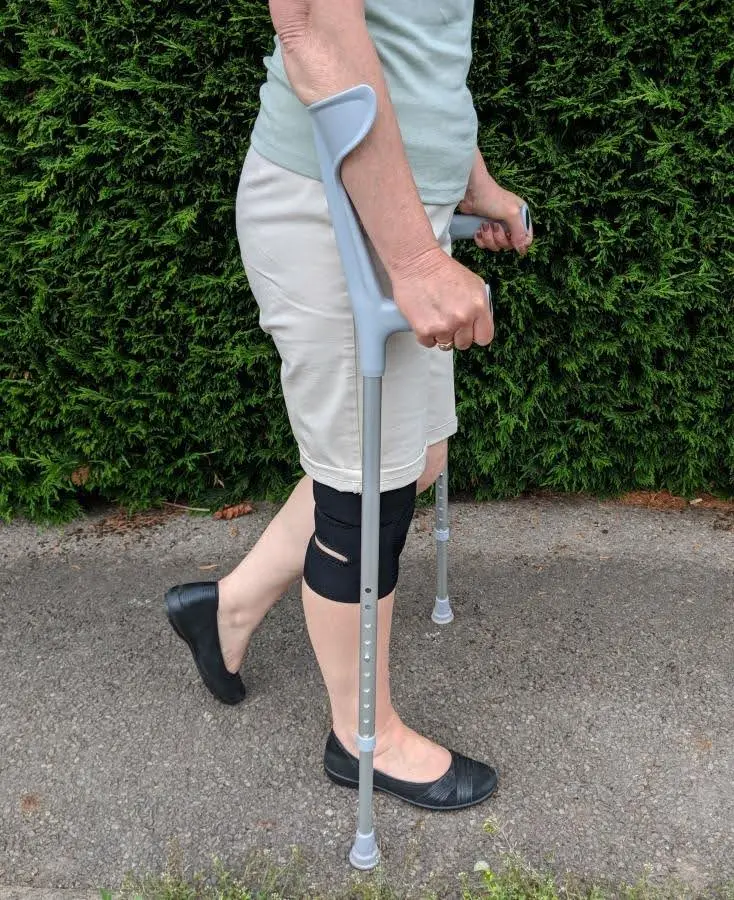
Where It Hurts: Common Sites of Post-Menopausal Joint Pain
Joint pain after menopause can affect virtually any joint in your body, but certain areas tend to be more vulnerable:
- Knees: Often the first to show symptoms, especially with weight gain common during menopause
- Hands and fingers: Small joints that may become stiff, especially in the morning
- Hips: Critical weight-bearing joints that commonly develop pain
- Shoulders: May develop reduced range of motion or pain with movement
- Lower back: Vertebral joints often report increased stiffness and discomfort
- Neck: Can develop tension and reduced mobility
Beyond Hormones: Other Factors Contributing to Your Joint Pain
While hormonal changes are a primary driver, several other factors can worsen post-menopausal joint pain:
- Weight gain: Extra pounds put additional stress on weight-bearing joints like knees and hips. According to research, losing just 10% of body weight can decrease knee pain by up to 50%.
- Dehydration: Post-menopausal women often experience increased dehydration, which can reduce joint lubrication.
- Inflammation from diet: Processed foods, refined carbohydrates, and certain fats can increase systemic inflammation.
- Reduced physical activity: Pain often leads to less movement, creating a vicious cycle of increasing stiffness and discomfort.
- Sleep disruption: Poor sleep, common during menopause, reduces the body’s ability to repair tissue damage and manage inflammation.
Conventional Treatments: Why They Often Fall Short
The standard medical approach to post-menopausal joint pain typically includes:
- Over-the-counter pain relievers (NSAIDs like ibuprofen)
- Steroid injections for severe cases
- Physical therapy
- Recommendations for weight loss
- In extreme cases, surgical interventions
While these approaches can provide temporary relief, they often fail to address the root hormonal causes of the problem. Many women find themselves caught in a cycle of managing symptoms without experiencing long-term improvement.
The Evidence-Based Approach: A Holistic Strategy That Actually Works
Recent research points to a comprehensive approach that can dramatically reduce or even eliminate post-menopausal joint pain. The key is addressing the problem from multiple angles simultaneously:
1. Hormone Balance Support
Hormone Replacement Therapy (HRT): Evidence suggests HRT can help musculoskeletal pains caused by menopause by restoring hormone levels, potentially offering significant relief for joint discomfort.
Important consideration: HRT isn’t right for everyone. Discuss with your healthcare provider about your personal health history and whether this is a suitable option for you.
Natural alternatives: For women who cannot or choose not to use HRT, certain phytoestrogens (plant-based compounds with mild estrogen-like effects) may offer some benefits:
- Soy isoflavones: Studies show these supplements, found in soy and legumes, improved bone mineral density and cartilage degeneration in controlled trials
- Evening primrose oil: May help with inflammation
- Black cohosh: Some women report improvement in symptoms
2. Anti-Inflammatory Nutrition Plan
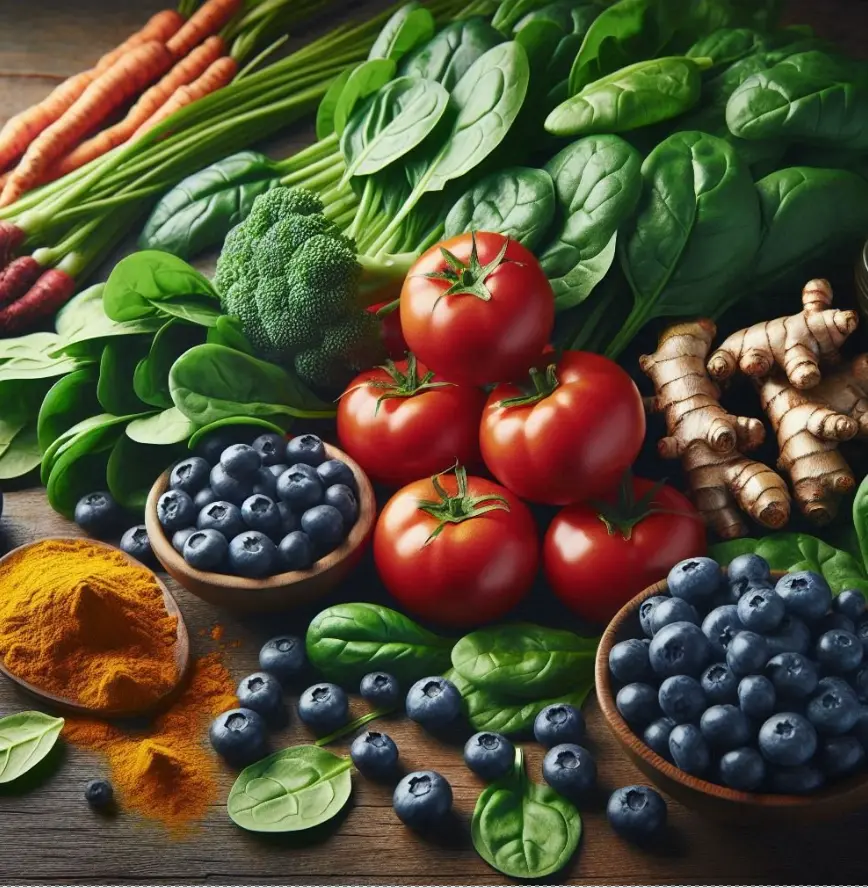
Your diet plays a crucial role in either promoting or reducing joint inflammation. Fill up on anti-inflammatory foods like berries, broccoli, avocado, tomatoes, green leafy vegetables, cherries, fatty fish like salmon, olive oil, nuts, dark chocolate (in moderation), green tea, turmeric, and ginger.
Foods to limit or avoid:
- Refined carbohydrates (white bread, pastries)
- Fried foods
- Red and processed meats
- Sugary beverages
- Foods with trans fats
3. Strategic Supplementation
Beyond a balanced diet, certain supplements have shown promise for post-menopausal bone and joint health:
- Calcium and Vitamin D: These are essential for maintaining bone health, reducing osteoporosis risk, and potentially easing joint pain. Vitamin D is crucial for calcium absorption.
- Magnesium: Helps your body absorb calcium by activating vitamin D and influencing parathyroid hormone secretion. Magnesium also supports the bone remodeling process.
- Vitamin K: Important for bone health and improving bone density.
- Omega-3 fatty acids: Found in fish oil or algae-based supplements, these help reduce inflammation throughout the body.
- Glucosamine and chondroitin: Often used together, these supplements are popular for reducing joint pain and improving joint function, though studies show mixed results.
- Collagen: Some studies suggest collagen supplements can support joint health.
- Blackcurrant supplements: Recent research suggests blackcurrant supplements may help prevent bone density loss in post-menopausal women by decreasing proteins that cause bone resorption.
4. Appropriate Movement Medicine
Show Image
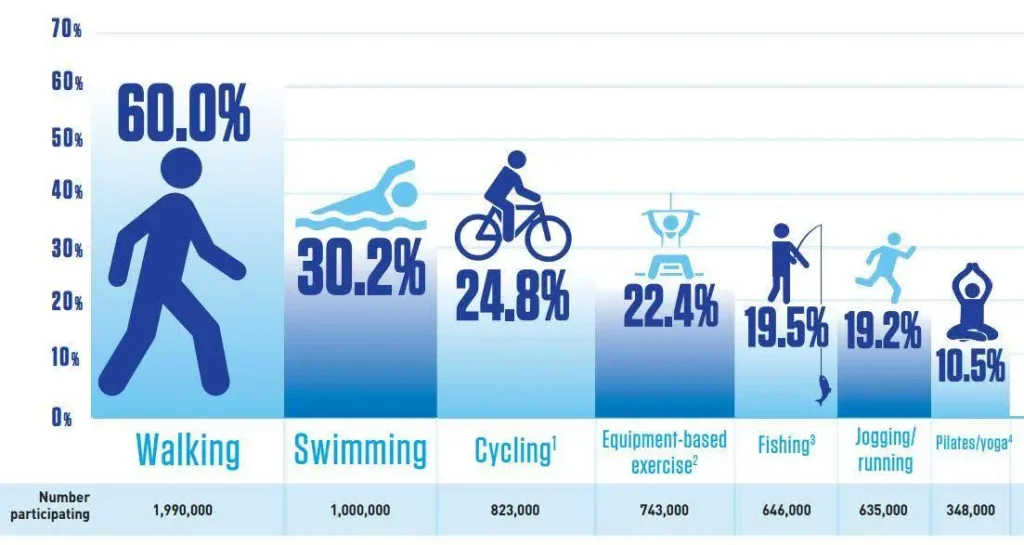
Regular movement is essential, but the right kind of exercise is crucial:
- Low-impact activities: Swimming, cycling, and walking provide cardiovascular benefits without stressing joints.
- Strength training: Using weights or resistance bands can help build muscle strength to support and protect the joints.
- Flexibility exercises: Yoga and gentle stretching improve range of motion and reduce stiffness.
- Aquatic exercises: Water provides natural resistance while supporting your body weight, making it ideal for painful joints.
Expert tip: Always warm up properly before exercise and cool down afterward to prevent additional joint stress.
5. Weight Management
Maintaining a healthy weight is one of the most effective strategies for reducing joint pain. Weight loss is one of the best interventions for joint pain. Patients with knee pain saw increased function and decreased pain with just a 10% weight loss.
The key is finding a sustainable approach rather than crash dieting, which can increase inflammation and actually worsen joint problems.
6. Sleep Optimization
Quality sleep is crucial for tissue repair and managing inflammation. Try these strategies:
- Maintain a consistent sleep schedule
- Create a cool, dark sleeping environment
- Limit screen time before bed
- Consider relaxation techniques like meditation
- Use supportive pillows to reduce joint pressure during sleep
7. Stress Reduction
Chronic stress increases inflammation throughout the body, potentially worsening joint pain. Effective stress management techniques include:
- Mindfulness meditation
- Deep breathing exercises
- Gentle yoga
- Time in nature
- Creative pursuits
- Social connection
Tracking Your Progress: The Joint Health Journal

To determine what works best for your unique body, consider keeping a “joint health journal” that tracks:
- Pain levels (on a scale of 1-10)
- Specific joints affected
- Weather conditions (many women report weather sensitivity)
- Foods consumed
- Exercise completed
- Sleep quality
- Stress levels
- Supplements or medications taken
Over time, patterns will emerge that can help you identify your personal triggers and most effective interventions.
When to Seek Medical Care
While self-management strategies are effective for many women, certain symptoms warrant prompt medical attention:
- Joint pain accompanied by fever
- Severe fatigue alongside joint pain
- Joints that are hot, red, or significantly swollen
- Pain that significantly limits daily activities
- Symptoms that worsen dramatically or suddenly
Success Stories: Women Who Conquered Post-Menopausal Joint Pain
Maria’s Story
At 54, Maria’s knee pain became so severe she could barely climb stairs. After implementing an anti-inflammatory diet, daily swimming, and vitamin D supplementation, she saw an 80% reduction in pain within three months.
Ellen’s Approach
Ellen, 62, focused on weight training and calcium/magnesium supplementation. Not only did her joint pain improve, but her bone density scan showed improvement after years of decline.
Diane’s Journey
After trying numerous approaches without success, Diane worked with her doctor to find an appropriate HRT regimen. Combined with stress reduction techniques, her hand and hip pain resolved almost completely within six weeks.
The Path Forward: Creating Your Personal Joint Health Plan
Based on the evidence presented, here’s a step-by-step approach to developing your personalized joint health strategy:
- Consult healthcare professionals: Work with both a menopause specialist and possibly a rheumatologist to rule out underlying conditions and discuss hormone options.
- Assess your current diet: Identify inflammatory foods in your current eating pattern and gradually replace them with anti-inflammatory alternatives.
- Start with gentle movement: Begin with 10-15 minutes of joint-friendly movement daily, gradually increasing as comfort allows.
- Consider strategic supplementation: Based on your specific needs and medical advice, implement key supplements.
- Optimize sleep and stress management: Implement one new sleep hygiene practice and one stress reduction technique.
- Track your results: Use your joint health journal to identify what’s working and what isn’t.
- Adjust as needed: This is not a one-size-fits-all approach. Be prepared to modify your strategy based on your body’s responses.
Show Image
The Bottom Line: You Don’t Have to Live with Post-Menopausal Joint Pain
Post-menopausal joint pain is not an inevitable part of aging that you must simply endure. With the right combination of hormone support, nutrition, movement, supplementation, and lifestyle adjustments, significant improvement—and even complete resolution—is possible for many women.
By addressing the root causes rather than just masking symptoms, you can reclaim your mobility, comfort, and quality of life for years to come.
Disclaimer: This article is for informational purposes only and is not intended to replace professional medical advice. Always consult with qualified healthcare providers regarding any health concerns or before making changes to your treatment plan.
ALERT: Latest Research Updates (May 2025)
- A new study from the University of Connecticut suggests blackcurrant supplements may effectively mitigate post-menopausal bone loss by decreasing specific inflammation-promoting proteins.
- Research published in the Journal of Nutritional Biochemistry demonstrates that certain gut bacteria may play a crucial role in bone density maintenance after menopause.
- The Arthritis Foundation is creating a registry to better understand how hormone therapy affects joint pain specifically, as previous studies have lacked detailed questions about joint symptoms.

